How can we design management research that is not only rigorous, but also impactful?
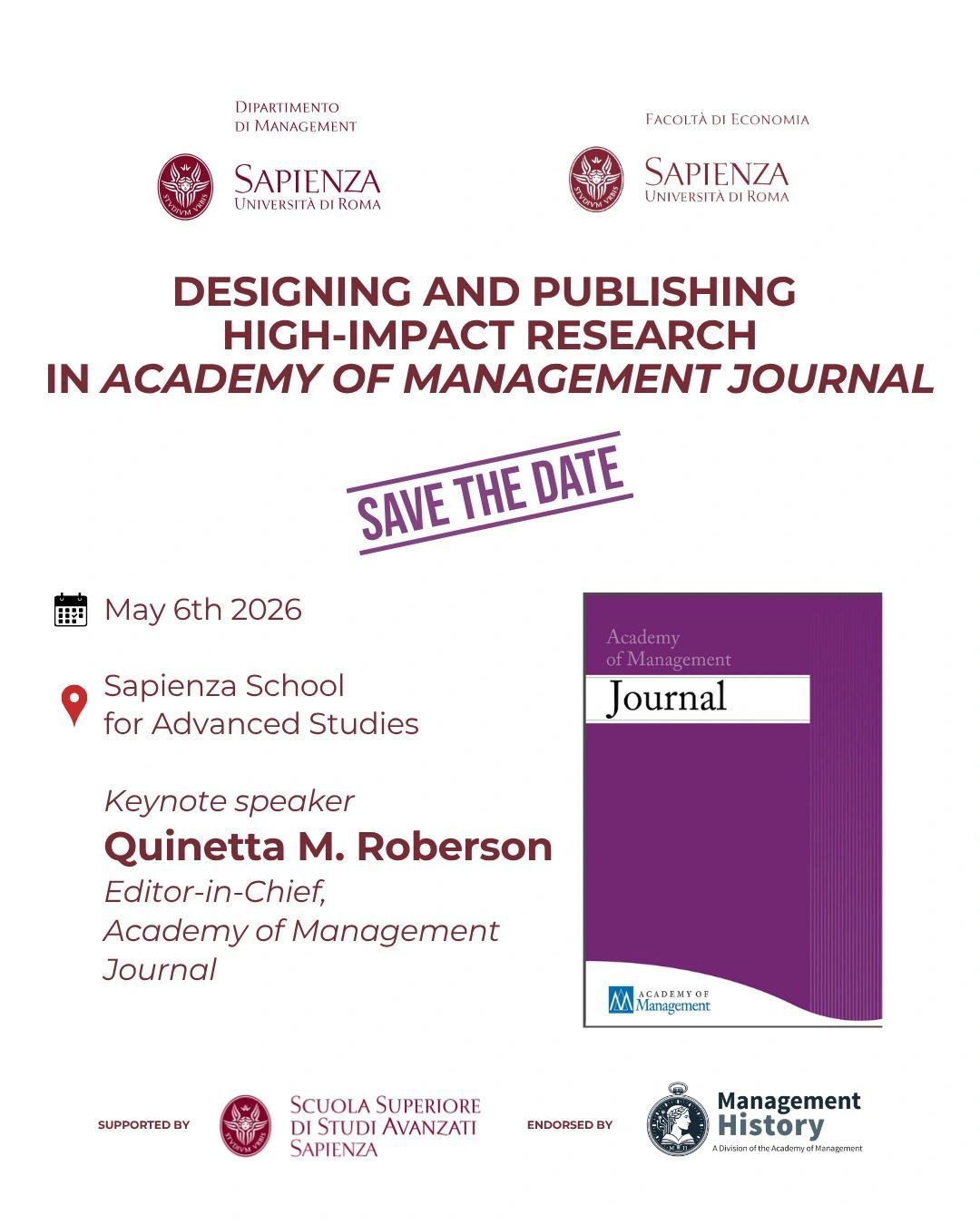
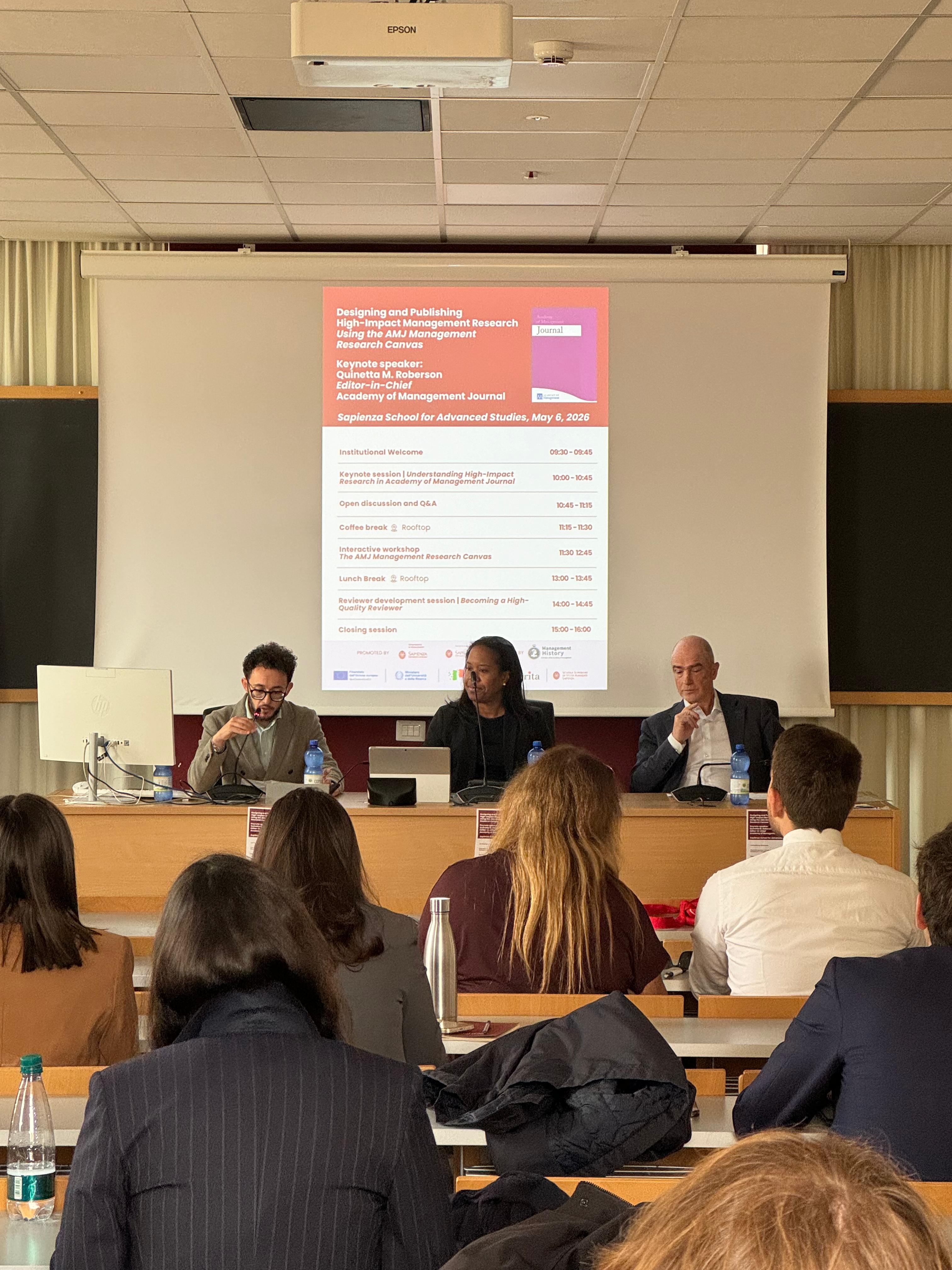
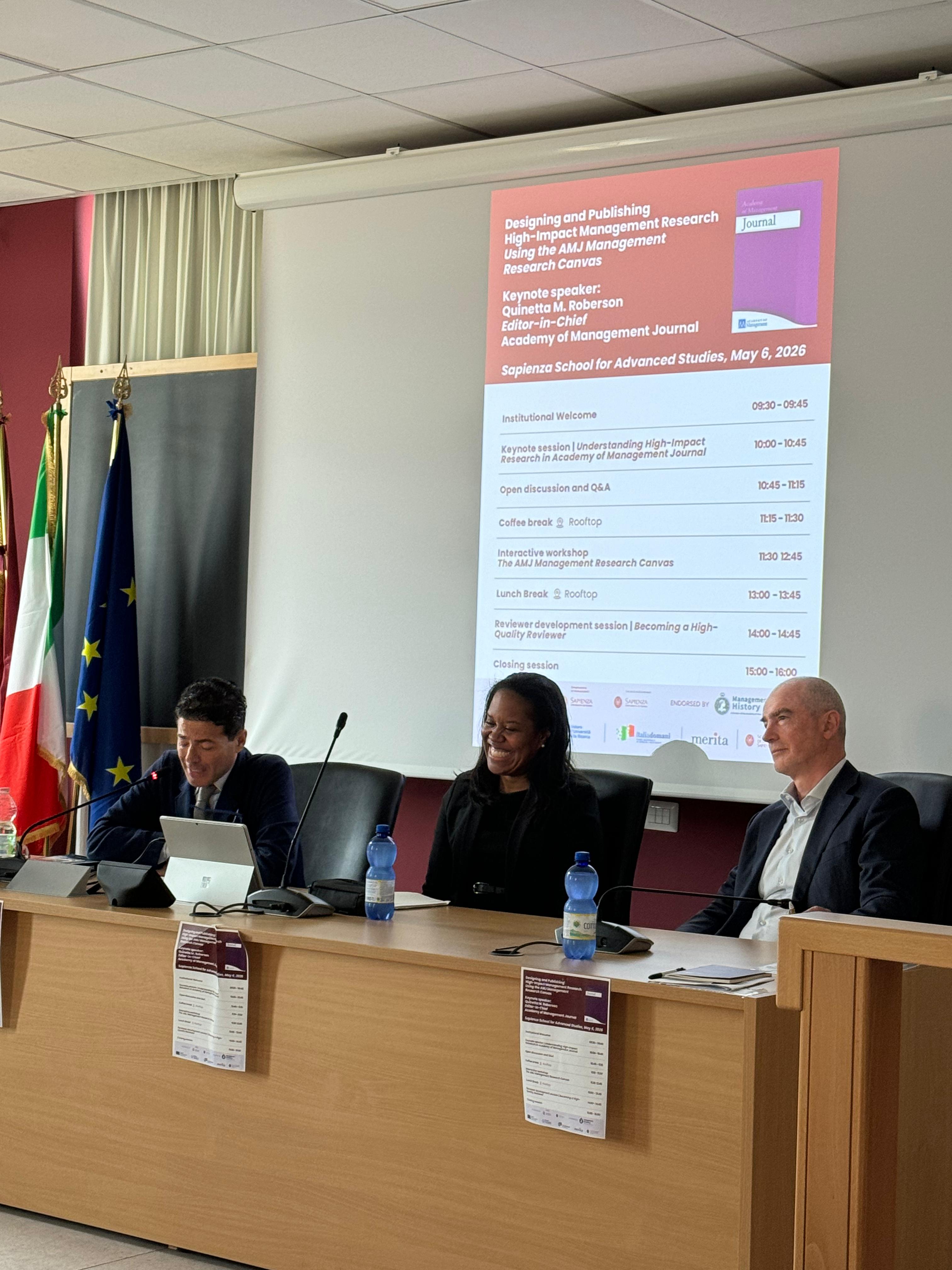
This question guided a stimulating day of scholarly exchange at the Sapienza School for Advanced Studies, where the event “Designing and Publishing High-Impact Management Research Using the AMJ Management Research Canvas” took place on May 6, 2026.
Promoted by the Department of Management of Sapienza University of Rome, the Faculty of Economics of Sapienza University of Rome, and the Sapienza School for Advanced Studies, and endorsed by the Management History Division, the event opened with institutional remarks from Giovanni Di Bartolomeo, Alberto Pastore, Salvatore Esposito De Falco, Nicola Cucari and our Division Chair Matteo Cristofaro, setting the stage for a day devoted to research development, academic publishing, and community-building.
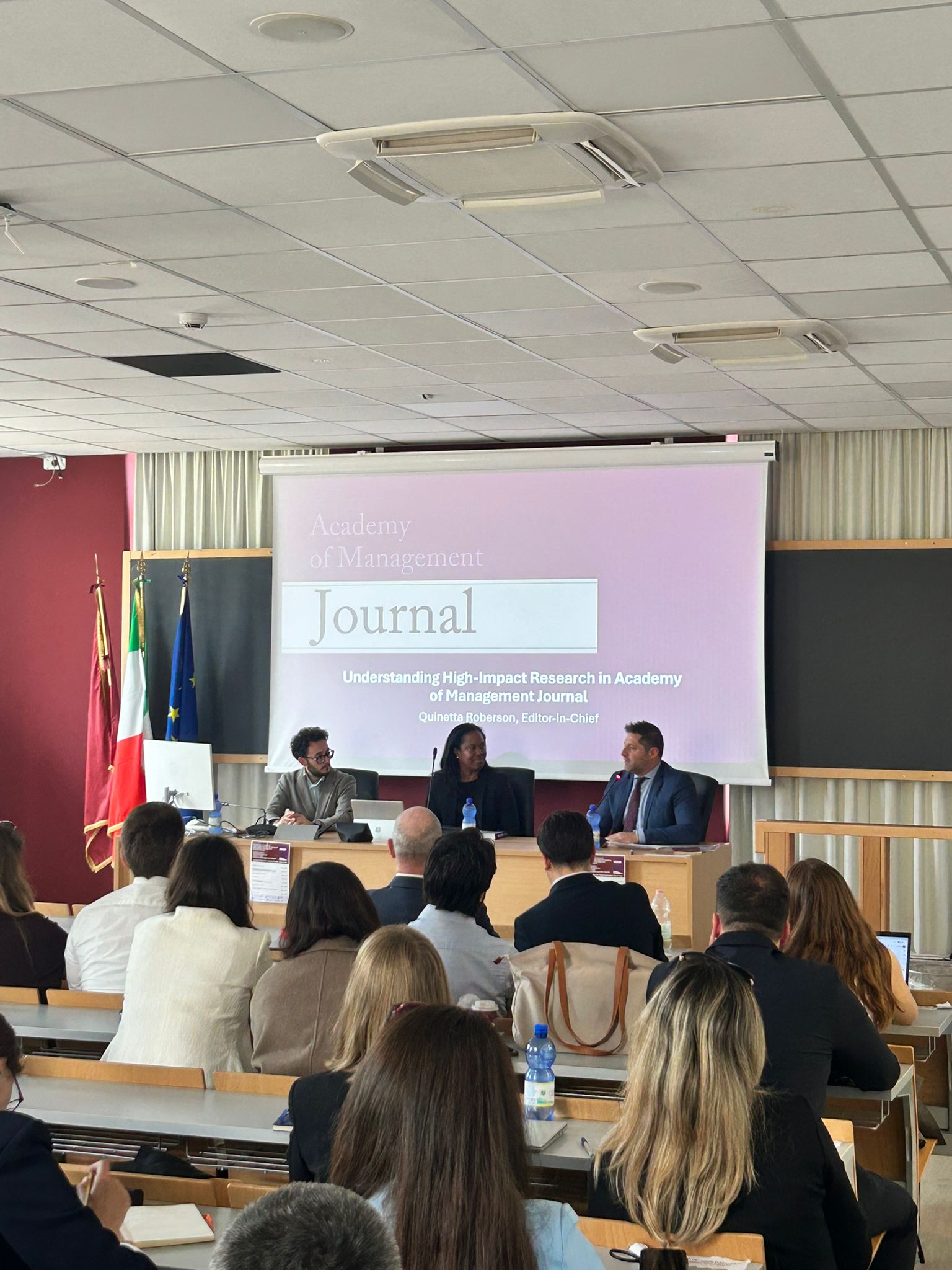
The conversation then moved to the core of the programme with Professor Quinetta M. Roberson, Editor-in-Chief of the Academy of Management Journal. Her keynote offered participants a valuable perspective on what makes management research meaningful, timely, and suitable for publication in top-tier journals. The following open discussion created space for early-career scholars to reflect on some of the most important steps in their academic journey, from turning a dissertation into publishable papers to navigating the revise-and-resubmit process and understanding editorial expectations.
In the interactive workshop, participants worked with the AMJ Management Research Canvas, engaging directly with a practical tool designed to help scholars sharpen their research ideas and strengthen the contribution of their work. The afternoon continued with a reviewer development session focused on how to write constructive and developmental reviews, what editors expect from reviewers, and how scholars can become more actively involved in the peer-review process.
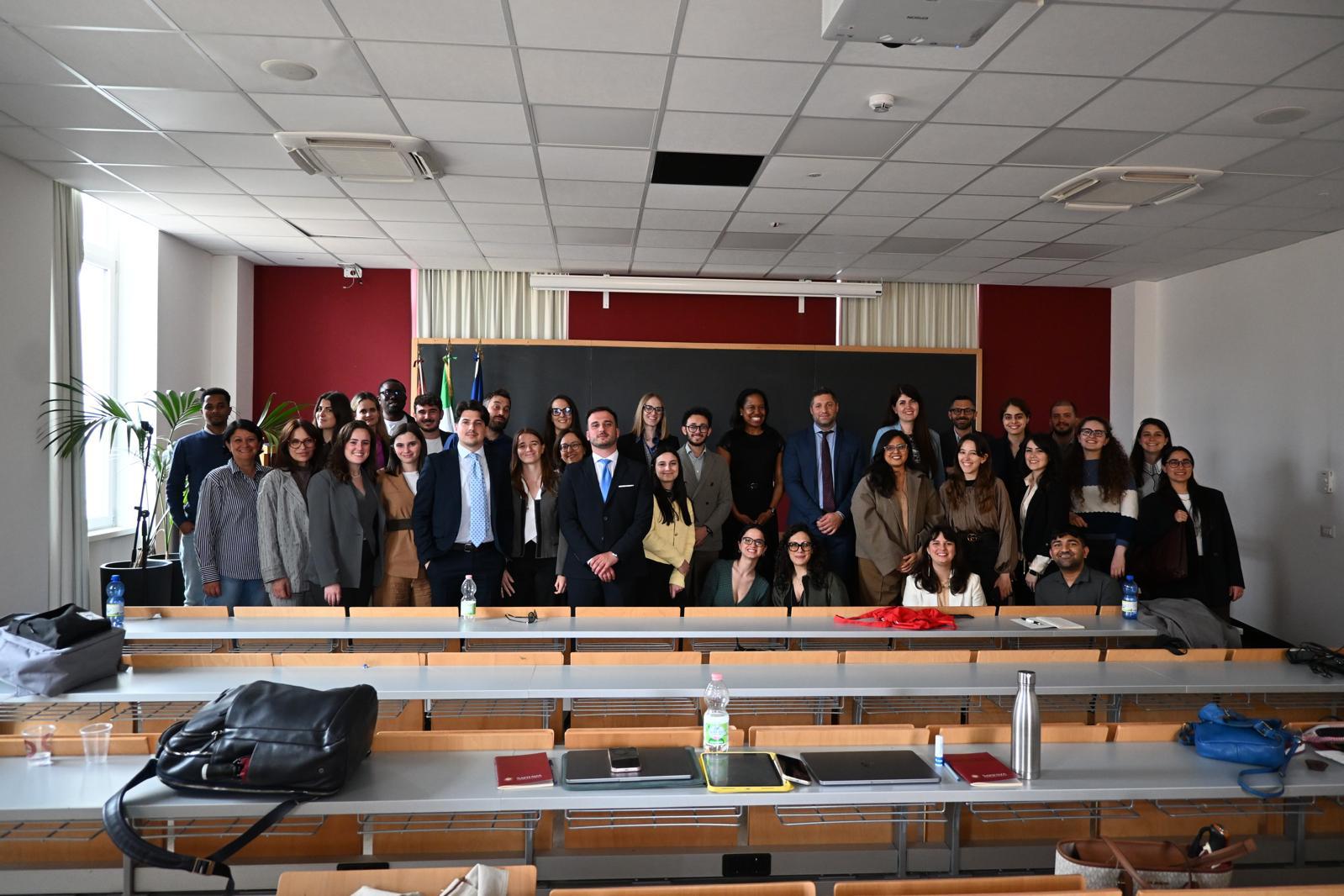
The day concluded with a reflection led by our Division Chair Matteo Cristofaro and Nicola Cucari on the role of academic divisions in fostering scholarly communities, supporting the development of research fields, and creating opportunities for collaboration across career stages.
For the Management History Division, this event represented an important opportunity to support dialogue, learning, and connection among scholars. We are proud to contribute to initiatives that strengthen our academic community and encourage impactful, historically informed management research.
Full program: Workshop_Programme_6may.pdf